Men's Fashion Online: Clothing Types, Trends, Prices & How to Choose
Online clothing shopping has changed how men dress. Men's fashion online provides access to different clothing styles, brands, sizes, and price ranges through websites and shopping platforms.
From everyday basics to formal outfits, shoppers can compare products without visiting multiple physical stores. Understanding clothing categories, current trends, pricing, and fit can make the process more practical.
Understanding Men's Fashion Online
What Does Online Men's Fashion Include?
Online men's fashion covers clothing, footwear, and accessories available through digital retail platforms. These products may include casual wear, office clothing, formal outfits, sportswear, and seasonal collections.
Shopping platforms often provide product descriptions, photographs, size charts, fabric details, customer reviews, and delivery information. These features help buyers evaluate products before placing an order, although the actual appearance and fit may differ from what is shown online.
Men can also compare different brands and styles in one place. However, a suitable purchase should be based on comfort, quality, intended use, and budget rather than appearance alone.
Common Types of Men's Clothing
Men's wardrobes generally include several clothing categories designed for different activities and occasions.
Casual wear: T-shirts, polo shirts, jeans, shorts, and casual trousers are common choices for everyday use.
Formal wear: Dress shirts, suits, formal trousers, and blazers are often selected for professional or special occasions.
Smart casual clothing: Chinos, button-down shirts, lightweight jackets, and clean footwear combine relaxed and formal elements.
Sportswear: Track pants, athletic T-shirts, shorts, and performance clothing are designed for physical activities.
Outerwear: Jackets, coats, sweaters, and hoodies provide additional coverage during cooler weather.
Understanding these categories makes it easier to identify clothing that suits different parts of daily life.
Popular Men's Clothing Trends
Everyday and Casual Fashion
Casual clothing remains an important part of men's wardrobes because it can be worn in many everyday settings. Basic T-shirts, straight-fit jeans, relaxed trousers, and comfortable sneakers are examples of commonly available styles.
Neutral shades such as black, white, grey, navy, and beige can be combined with different garments. These colors also make it easier to create several outfits using a smaller selection of clothing.
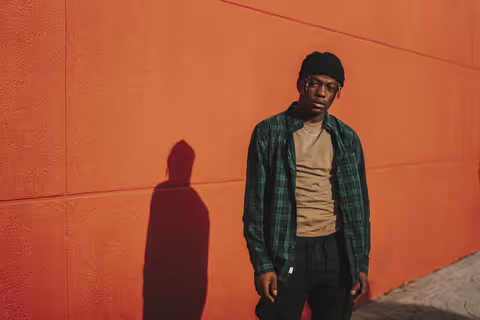
Simple layering is another practical approach. A T-shirt worn with an open shirt or lightweight jacket can create a different appearance without requiring a completely new outfit.
Formal and Smart Casual Trends
Formal clothing is generally selected for workplaces, ceremonies, meetings, and other occasions that require a more structured appearance. Classic shirts, tailored trousers, suits, and leather footwear remain useful wardrobe options.
Smart casual clothing offers a less formal alternative. For example, chinos paired with a collared shirt may suit settings where a complete suit is unnecessary.
The most appropriate style depends on workplace expectations, local customs, weather, and the occasion. Trend popularity can change, so shoppers should consider whether a garment will remain useful beyond one season.
Seasonal Clothing Choices
Seasonal requirements influence fabric, color, and garment design. Lightweight cotton and linen are commonly chosen for warm conditions because they allow airflow, while wool blends, thicker knits, and insulated jackets may provide more warmth in colder weather.
In regions with seasonal rainfall, shoppers may also consider quick-drying fabrics, water-resistant outerwear, and footwear suited to wet conditions. Checking fabric composition and care instructions can help buyers understand how clothing should be maintained.
Prices and Clothing Quality
Understanding Men's Fashion Price Ranges
Prices vary according to brand, material, design, manufacturing, and retail platform. Basic clothing may cost less than tailored garments or products made with specialized fabrics.
The table below provides broad illustrative price categories in Indian rupees. Actual prices differ by seller, location, material, and time of purchase.
| Clothing category | Illustrative price range |
|---|---|
| Basic T-shirts | ₹300–₹1,000 |
| Casual shirts | ₹500–₹2,000 |
| Jeans and trousers | ₹700–₹3,000 |
| Formal shirts | ₹700–₹2,500 |
| Jackets and sweaters | ₹1,000–₹5,000 |
| Formal suits | ₹3,000–₹12,000 or more |
These ranges are general shopping examples, not fixed market prices. Buyers should compare the final cost, including delivery charges, taxes, and possible alteration expenses.
How to Evaluate Clothing Quality
A low price does not always indicate poor quality, and a higher price does not automatically guarantee better construction. Shoppers can examine several details before making a decision.
Fabric composition: Check whether the garment uses cotton, polyester, linen, wool, or a blend.
Stitching: Product photographs may show seams, hems, and visible construction details.
Fit information: Review measurements and the model's size details where available.
Care instructions: Check washing, drying, and ironing requirements.
Customer feedback: Look for repeated comments about sizing, fabric feel, and durability.
These checks can help buyers compare similar products more carefully.
How to Choose Men's Clothing Online
Selecting the Correct Size and Fit
Choosing the correct size is one of the main challenges of online clothing shopping. Sizes may differ between brands, product categories, and countries, so relying only on labels such as small, medium, or large can lead to unsuitable purchases.
Measure important areas such as the chest, waist, hips, shoulders, and inseam, depending on the garment. Compare these measurements with the seller's size chart before ordering.
Common fits include slim, regular, relaxed, and oversized. The preferred option depends on personal comfort, body proportions, garment design, and the intended appearance.
Choosing Clothing for Different Occasions
Before buying, consider where and how often a garment will be worn. A versatile shirt or pair of trousers may be useful for several settings, while specialized clothing may be needed only occasionally.
For example, a neutral shirt can work with jeans for casual outings or tailored trousers for a more formal setting. Similarly, a simple jacket may complement several existing outfits.
Creating a list of wardrobe needs can prevent unnecessary purchases. It also helps shoppers focus on clothing that works with items they already own.
Comparing Online Shopping Platforms
Different shopping platforms offer different product selections, delivery arrangements, and return policies. Buyers should review these details before completing an order.
Important points to compare include:
Product photographs and complete descriptions.
Available sizes, colors, and fabric information.
Seller ratings and verified customer reviews.
Delivery timelines and shipping charges.
Return, exchange, and refund conditions.
Payment options and transaction security.
A clear return policy is particularly useful when the size or appearance of a garment does not meet expectations. Shoppers should also check whether sale products have different return conditions.
Frequently Asked Questions
Is buying men's fashion online practical?
Yes. Online shopping allows buyers to compare clothing styles, prices, sizes, and product details from different sellers. Checking measurements and return policies can help reduce common purchasing difficulties.
Which clothing items should men buy first?
Basic T-shirts, casual shirts, jeans, trousers, and comfortable footwear can form a useful starting wardrobe. Additional items can be selected according to work, climate, and personal preferences.
How can men choose the right size online?
Measure relevant body areas and compare them with the brand's size chart. Reading customer feedback about fit can also provide useful information.
Are expensive men's clothes always better?
No. Price alone does not determine clothing quality. Fabric, stitching, comfort, fit, and care requirements are also important factors.
Conclusion
Men's fashion online offers a convenient way to explore clothing types, compare prices, and understand different styles. Choosing suitable garments requires attention to fit, fabric, quality, occasion, and shopping policies. By comparing products carefully and prioritizing practical wardrobe needs, shoppers can make more informed clothing decisions.

Related Post...

Hermes : Explore Its Heritage, Fashion History, Designs, and Creative Identity
Updated: August 31, 2026
Read More
Best Moisturizers for Dry Skin in Winter: A Guide to Ceramides, Hyaluronic Acid, and Barrier Repair
Updated: November 19, 2026
Read More
Louisvuitton: Discover Heritage, Iconic Designs, Materials and Fashion Collections
Updated: October 03, 2026
Read More