Women’s Clothing Guide: Essential Styles, Trends, and Wardrobe Basics for Every Season
A practical women’s wardrobe does not need to be large or expensive.
The key is choosing versatile pieces that suit your lifestyle, fit well, and can be styled for different occasions and seasons.
Building a Functional Wardrobe
A useful wardrobe is built around a few reliable basics, a few statement pieces, and seasonal items that match your local climate. Instead of following every trend, focus on clothes you can wear often and combine easily.
A balanced wardrobe usually includes:
Everyday tops
Comfortable bottoms
Layering pieces
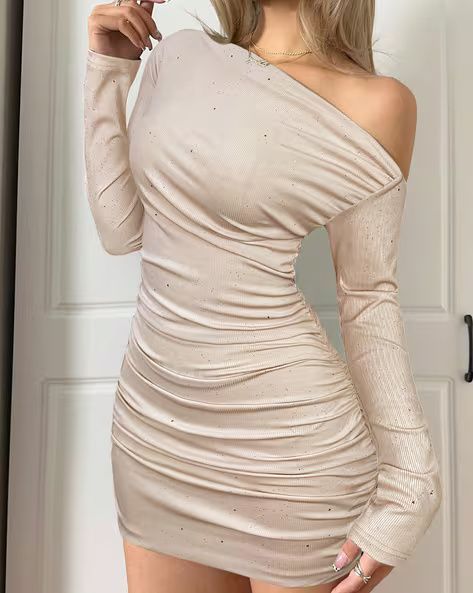
One or two dresses
Footwear for daily wear and special occasions
Seasonal outerwear
Accessories that complete outfits
The goal is not to own more clothes, but to own clothes that work well together.
Essential Wardrobe Basics
These pieces form the foundation of many outfits. Choose colours and fits that suit your personal style and daily routine.
| Clothing Type | Why It Matters | Styling Ideas |
|---|---|---|
| Basic T-shirts | Easy to layer and wear casually | Pair with jeans, skirts, or trousers |
| Button-down shirts | Work for casual and semi-formal looks | Wear open over a top or tucked into trousers |
| Knitwear | Adds warmth and texture | Layer over shirts or wear alone |
| Denim jeans | Versatile for everyday wear | Style with sneakers, flats, or boots |
| Tailored trousers | Suitable for work and formal settings | Pair with shirts, blouses, or knitwear |
| Black leggings | Comfortable and easy to style | Wear with long tops, tunics, or jackets |
| Midi skirt | Works for casual and dressy occasions | Pair with tees, blouses, or sweaters |
| Simple dress | A quick, complete outfit option | Add a jacket, belt, or accessories |
| Blazer | Adds structure to an outfit | Wear over dresses, shirts, or casual tops |
| Comfortable footwear | Supports daily movement | Choose based on comfort and occasion |
Choosing Clothes That Fit Well
Fit matters more than following a particular size label. Clothes that fit properly look more polished and feel more comfortable throughout the day.
When trying on clothes, check:
Whether the shoulders sit correctly
Whether the waistband feels comfortable
Whether sleeves and pant lengths suit your height
Whether the fabric pulls, gaps, or restricts movement
Whether you can sit, walk, and move easily
Whether the colour and style suit your everyday needs
A good fit can make a simple outfit look more intentional and put together.
Choosing Colours Wisely
A colour palette makes it easier to mix and match clothes. Neutral colours are useful because they pair well with many other shades.
Common versatile colours include:
Black
White
Grey
Navy
Beige
Brown
Olive
Denim blue
You can add colour through tops, scarves, bags, shoes, or accessories. Bright colours and prints can make an outfit more expressive without requiring a complete wardrobe change.
Seasonal Wardrobe Essentials
Clothing needs change with the weather. Instead of buying a completely new wardrobe each season, add a few useful pieces that work with what you already own.
Spring
Spring is a good time for light layers and breathable fabrics.
Useful pieces include:
Light jackets
Cotton shirts
Lightweight knitwear
Midi skirts
Ankle boots or sneakers
Scarves for changing temperatures
Summer
Summer clothing should prioritise breathability, comfort, and sun protection.
Useful pieces include:
Cotton or linen tops
Loose trousers or skirts
Breathable dresses
Light-coloured clothing
Comfortable sandals
Lightweight outer layers for air-conditioned spaces
Monsoon
Monsoon clothing should be practical, quick-drying, and easy to maintain.
Useful pieces include:
Water-resistant footwear
Quick-drying fabrics
Darker colours that hide splashes
Lightweight layers
Compact rain jackets
Bags with secure closures
Autumn
Autumn is ideal for layering and richer colours.
Useful pieces include:
Light sweaters
Denim jackets
Cardigans
Long-sleeve tops
Boots
Scarves
Winter
Winter clothing should provide warmth without feeling bulky.
Useful pieces include:
Sweaters and knitwear
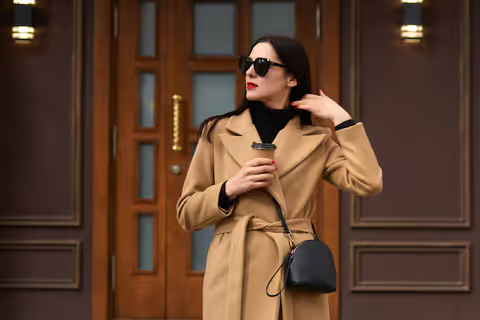
Jackets or coats
Thermal layers if needed
Boots or closed shoes
Scarves and gloves
Warm accessories
Popular Clothing Styles
Fashion trends change, but some styles remain useful because they suit different occasions and personal preferences.
Casual Style
Casual clothing focuses on comfort and ease. It often includes T-shirts, jeans, leggings, sneakers, and relaxed fits.
Casual style works well for:
Daily errands
College or university
Casual outings
Travel
Relaxed weekends
Workwear Style
Workwear usually includes structured pieces that look polished while remaining comfortable.
Common workwear items include:
Shirts and blouses
Tailored trousers
Pencil or A-line skirts
Blazers
Closed-toe shoes
Simple accessories
Ethnic and Fusion Style
Ethnic and fusion clothing can be styled for festivals, family events, casual outings, or work depending on the design and fabric.
Popular options include:
Kurtas and kurtis
Palazzos
Anarkalis
Sarees
Salwar suits
Fusion tops with skirts or trousers
Dupattas and statement jewellery
Evening and Occasion Wear
Occasion wear is usually more detailed, elegant, or festive than everyday clothing.
Options include:
Dresses
Co-ord sets
Sarees
Lehengas
Embellished kurtas
Dressy jumpsuits
Heels or dressy flats
Choose occasion wear based on the event, comfort, and dress code rather than trends alone.
Current Fashion Trends
Trends can add freshness to a wardrobe, but they work best when they match your personal style. Rather than buying every trending item, choose one or two pieces that can be styled with clothes you already own.
Popular directions often include:
Relaxed silhouettes
Wide-leg trousers
Matching co-ord sets
Denim-on-denim looks
Neutral and earthy tones
Statement accessories
Oversized shirts
Layered outfits
Sustainable and timeless fabrics
A trend should feel comfortable and natural on you, not like something you are wearing only because it is popular.
Fabrics That Work Well
Fabric affects comfort, durability, and how a garment behaves in different weather.
| Fabric | Best For | Notes |
|---|---|---|
| Cotton | Everyday wear, summer, sensitive skin | Breathable and easy to care for |
| Linen | Hot weather | Lightweight but can wrinkle easily |
| Denim | Casual wear | Durable and versatile |
| Wool | Winter | Warm and insulating |
| Silk or satin | Occasions and dressy outfits | Smooth and elegant but may need careful care |
| Polyester blends | Easy-care clothing | Often durable and wrinkle-resistant |
| Viscose or rayon | Flowy styles | Soft and breathable but may need gentle washing |
Check the care label before buying, especially for delicate fabrics or garments that require dry cleaning.
Accessories That Complete an Outfit
Accessories can change the look of the same clothes without requiring a new outfit.
Useful accessories include:
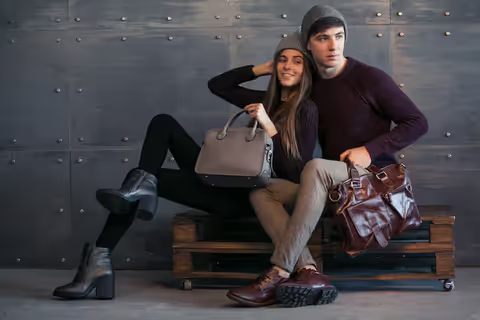
A structured handbag for work
A casual tote for daily use
A small crossbody bag for outings
Scarves for colour and layering
Simple jewellery for everyday wear
Statement earrings for special occasions
Belts to define the waist
Sunglasses for sunny days
Watches or bracelets for a polished touch
Keep accessories simple if your outfit already has bold colours, prints, or details.
Footwear Essentials
Shoes can change both the comfort and overall look of an outfit.
A practical shoe collection may include:
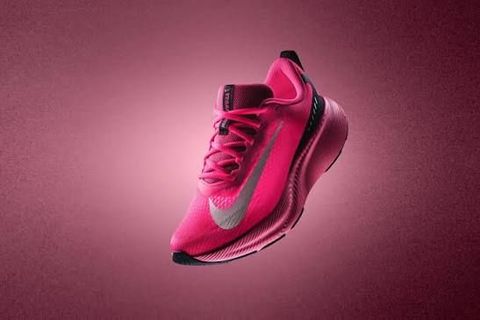
Comfortable sneakers
Flat sandals
Ballet flats or loafers
Ankle boots
Heels for special occasions
Ethnic footwear for traditional outfits
Water-resistant shoes for monsoon weather
Choose footwear that supports your feet and suits the activities you do most often.
Dressing for Different Occasions
The same wardrobe can work for many occasions when pieces are chosen carefully.
| Occasion | Suitable Clothing | Styling Tip |
|---|---|---|
| Casual day out | Jeans, T-shirt, sneakers | Add a jacket or scarf for polish |
| Office or work | Shirt, trousers, blazer | Choose neutral colours and simple accessories |
| Festive event | Ethnic wear or dressy outfit | Add traditional jewellery or a dupatta |
| Wedding | Saree, lehenga, or elegant dress | Consider comfort, weather, and dress code |
| Travel | Comfortable pants, breathable top, sneakers | Choose layers and practical footwear |
| Evening outing | Dress, co-ord set, or dressy top | Add heels or dressy flats |
| Casual family gathering | Kurta, jeans, or relaxed dress | Keep accessories simple and comfortable |
Sustainable Clothing Choices
A more sustainable wardrobe focuses on buying less, choosing better, and using clothes for longer.
Helpful habits include:
Buying versatile pieces you will wear often
Choosing quality over quantity
Repairing clothes when possible
Washing garments according to care labels
Avoiding impulse purchases
Donating or reselling clothes you no longer use
Choosing timeless styles over short-lived trends
Sustainable fashion is not about buying only expensive clothes. It is about making thoughtful choices that reduce waste and improve the usefulness of your wardrobe.
Common Wardrobe Mistakes
Many people buy clothes that look good in stores but do not fit their daily life.
Common mistakes include:
Buying clothes only because they are on sale
Choosing trends that do not suit your lifestyle
Ignoring comfort and fit
Buying too many similar items
Not checking fabric and care instructions
Owning clothes that do not match anything else
Keeping clothes that no longer fit or feel comfortable
Not considering the climate you live in
A wardrobe review can help you identify what you actually wear and what you need.
How to Organise Your Wardrobe
An organised wardrobe makes it easier to create outfits quickly.
Try these simple steps:
Separate clothes by type, such as tops, bottoms, dresses, and outerwear.
Keep everyday items easy to reach.
Store seasonal clothes separately when not in use.
Keep shoes and accessories visible.
Fold knitwear to maintain its shape.
Hang structured items such as shirts, blazers, and dresses.
Keep a small section for clothes that need repair or alteration.
Review your wardrobe at the start of each season.
Final Advice
A good women’s wardrobe is built on comfort, fit, versatility, and personal style. Start with reliable basics, add seasonal pieces as needed, and choose trends only when they suit your lifestyle.
The most useful clothes are the ones you enjoy wearing and can style in more than one way.

Related Post...
Understanding Farfetch: Features, Services, and Online Luxury Shopping Insights
Updated: July 03, 2026
Read More
Men’s Streetwear: Explore Oversized Fits, Sneakers, Layering and Urban Style Trends
Updated: October 03, 2026
Read More