Diwali Home Decoration: A Guide to Festive Decor and Lighting Ideas
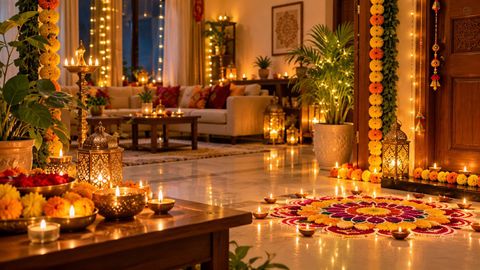
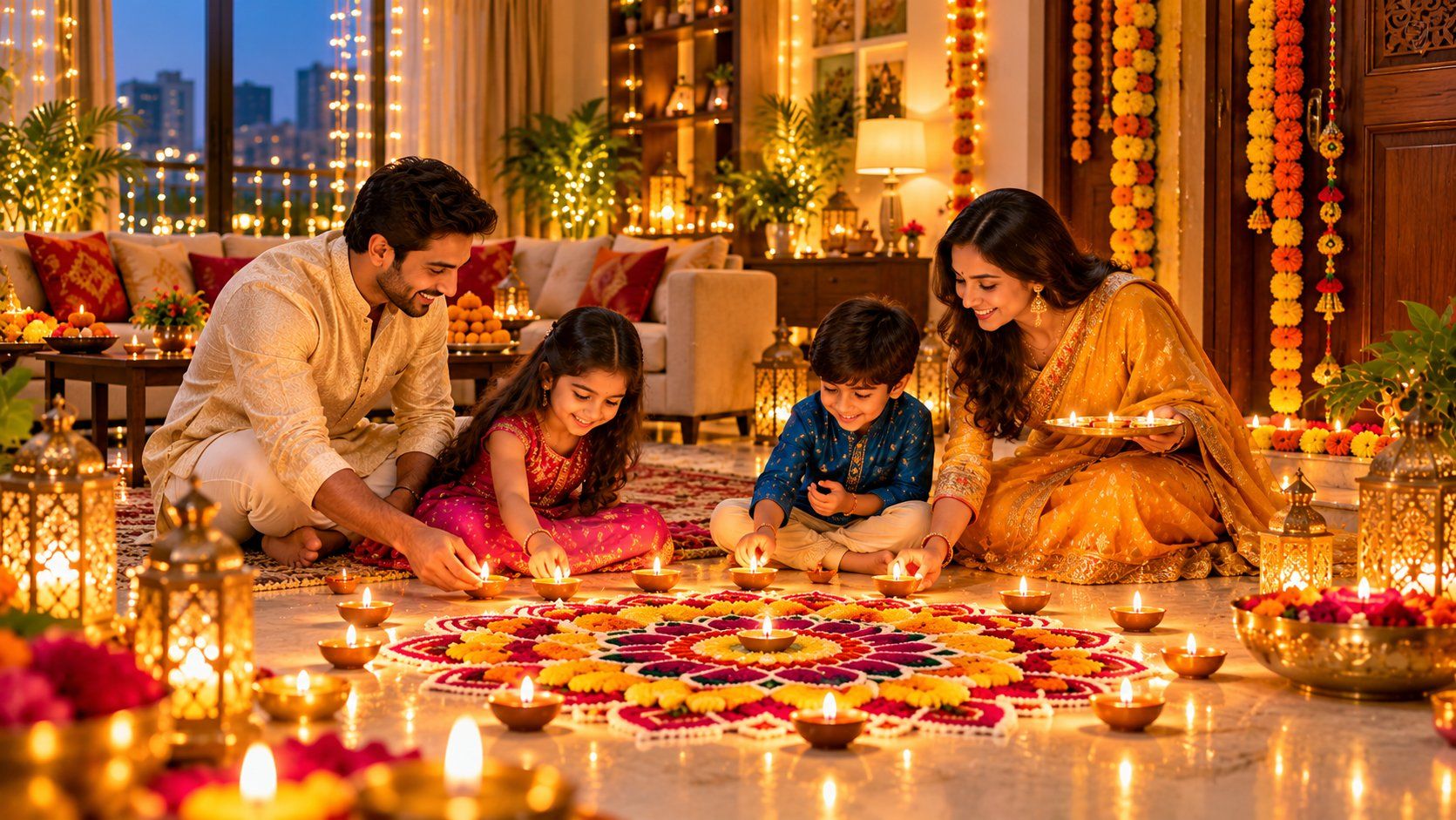
Diwali home decoration brings warmth, color, and a sense of celebration to living spaces during the Festival of Lights. From traditional diyas and colorful rangoli patterns to contemporary lanterns and decorative wall accents, festive decor combines cultural traditions with individual design preferences.
Many households prepare their homes for Diwali by cleaning rooms, arranging decorative objects, illuminating entrances, and creating welcoming spaces for family gatherings. Decoration styles vary according to regional customs, available space, personal taste, and household traditions.
A thoughtful approach to Diwali home decoration does not require filling every corner with ornaments. Coordinating lighting, colors, textiles, and decorative accents can create an inviting atmosphere while keeping rooms practical, comfortable, and safe.
Traditional Elements of Diwali Home Decoration
Traditional decorations remain central to Diwali celebrations. Many households incorporate symbolic objects and handcrafted designs that reflect the cultural meaning of the festival.
Diyas and Oil Lamps
Diyas are among the most recognizable elements of Diwali decor. Traditionally made from clay, these small lamps use oil or ghee and a cotton wick to produce a warm, natural glow.
Diyas can be arranged along entrance steps, balconies, windowsills, or designated areas of the home. Place them on stable, heat-resistant surfaces and keep them away from curtains, paper decorations, children, and pets.
Electric diyas and flameless lamps provide an alternative where open flames are unsuitable. They can create a similar visual effect while reducing fire risks associated with unattended lamps.
Rangoli Designs
Rangoli adds color and visual interest to entrances, courtyards, and open floor areas. Designs may feature geometric patterns, flowers, traditional symbols, or symmetrical arrangements.
Common materials include colored powders, flower petals, rice flour, and reusable decorative stencils. For indoor spaces, reusable rangoli boards or fabric mats can simplify cleaning and reduce powder residue.
Choose a location where the design will not obstruct walking paths. If the rangoli is placed near an entrance, ensure that its materials do not become slippery when exposed to moisture.
Flowers and Garlands
Marigolds, roses, jasmine, and other seasonal flowers can introduce natural color and fragrance into festive interiors. Flower garlands are often arranged around doorways, windows, prayer areas, and decorative displays.
Fresh flowers can be combined with leaves, brass containers, and simple fabric backdrops. Artificial flowers may be more practical for arrangements that need to remain in place for several days.
Avoid placing fresh flowers near open flames or heat-producing electrical equipment. Replace wilted arrangements when necessary to maintain a clean and pleasant environment.
Lighting Ideas for a Warm Festive Home
Lighting has a major influence on the atmosphere of a decorated home. Combining different light sources can create depth without making rooms appear overly bright.
String Lights and Fairy Lights
String lights are widely used around windows, balconies, railings, shelves, and doorframes. Warm-white lights create a soft atmosphere, while multicolored lights provide a more playful appearance.
Choose lights appropriate for their intended location. Outdoor areas require products rated for the relevant weather conditions, while indoor installations should avoid overloaded sockets and tangled wiring.
Use approved power adapters and inspect cables for visible damage before installation. Switch off decorative electrical lights when leaving the home or going to sleep unless the products are specifically designed and approved for the intended operating conditions.
Lanterns and Decorative Lamps
Lanterns add visual structure to a festive arrangement. Metal, glass, bamboo, ceramic, and fabric designs can complement different interior styles.
Place lanterns near entryways, beside seating areas, or on stable tables. If a lantern uses a real candle, check its ventilation and heat resistance and keep combustible materials at a safe distance.
Battery-operated lanterns provide greater flexibility for homes where open flames are unsuitable. They can also be reused for other celebrations and special occasions.
Layered Lighting for Different Rooms
Rather than relying on one strong light source, combine ambient lighting with smaller decorative accents. For example, ceiling lights can illuminate the room while table lamps and string lights create a softer festive effect.
The following table summarizes lighting approaches for different spaces.
Area | Suitable lighting | Design consideration |
|---|---|---|
Main entrance | Diyas, lanterns, string lights | Keep pathways clear |
Living room | Warm lamps, fairy lights | Avoid excessive brightness |
Balcony | Outdoor-rated string lights | Protect electrical connections |
Dining area | Table lamps, decorative lights | Keep heat away from food and fabrics |
Prayer area | Diyas or electric lamps | Maintain a tidy, safe arrangement |
Bedroom | Soft bedside lighting | Avoid harsh or flashing lights |
Room-by-Room Diwali Decoration Ideas
Each room has a different purpose, so decorations should suit the available space and everyday activities.
Living Room Decoration
The living room often becomes the main gathering area during Diwali. Decorative cushions, festive table runners, flower arrangements, and coordinated lighting can refresh the room without requiring major changes.
Select two or three complementary colors to create a consistent appearance. Gold, cream, red, green, and warm orange are traditional festive choices, while neutral backgrounds can help colorful accessories stand out.
Arrange furniture to leave enough room for guests to sit and move comfortably. Keep decorative objects away from walkways and avoid placing fragile items where they may be knocked over.
Entrance and Main Door
The entrance creates the first visual impression of a decorated home. Torans, flower garlands, small lanterns, and rangoli can provide a welcoming focal point.
A simple arrangement often looks more balanced than combining many competing patterns. Coordinate the entrance decorations with the home's existing colors and architectural details.
Secure hanging decorations properly, particularly near doors that open frequently. Avoid obstructing door handles, ventilation openings, and emergency exits.
Balcony and Outdoor Areas
Balconies can accommodate string lights, planters, lanterns, and small seating arrangements. Outdoor decorations should be suitable for local weather conditions and secured against wind.
If space is limited, use vertical arrangements such as wall-mounted planters or carefully installed light strings. Keep the floor clear to maintain easy movement.
Do not hang electrical lights where cables can be damaged by doors, windows, or moving furniture. Follow the manufacturer's instructions for installation and outdoor use.
Dining Area
The dining table can become a festive focal point through a decorative runner, a simple flower arrangement, coordinated napkins, and understated centerpieces.
Keep decorations low enough to allow conversation across the table. Avoid placing candles or other heat-producing objects near hanging fabric, food packaging, or items that may be accidentally moved.
Leave adequate space for serving dishes and drinking glasses. A practical table arrangement is easier to use during family meals and gatherings.
Prayer or Meditation Space
Many households decorate their prayer areas with flowers, diyas, brass lamps, and clean fabric backdrops. A tidy arrangement can create a calm setting for traditional rituals.
Keep frequently used items accessible and avoid crowding the area with excessive ornaments. If real flames are used, place them on a stable, nonflammable surface and supervise them continuously.
Choosing Colors, Fabrics, and Decorative Accessories
A coordinated color palette can make festive decorations appear more intentional. Traditional combinations include red and gold, orange and green, and cream with metallic accents. Contemporary interiors may use white, beige, muted green, or earthy shades as a background for brighter decorations.
Festive Textiles
Cushion covers, table runners, curtains, and decorative throws can change a room's appearance without permanent alterations. Silk-like fabrics, cotton, brocade patterns, and embroidered textiles can introduce texture and cultural detail.
Consider how fabrics interact with lamps and candles. Keep loose or highly flammable materials away from open flames, hot bulbs, and electrical equipment.
Decorative Materials
Brass, wood, clay, glass, ceramic, and natural fibers can add variety to festive interiors. Combining materials can create visual interest, but limiting the number of finishes helps maintain a balanced appearance.
Handcrafted pieces may have small variations in color or texture. These differences can contribute to their character, particularly when displayed in simple arrangements.
Balancing Traditional and Modern Styles
Traditional decorations can work well in contemporary homes when they are arranged selectively. A brass diya stand, a geometric rangoli, and warm string lights may provide a festive atmosphere without changing the entire room.
For a more traditional appearance, use flower garlands, colorful textiles, patterned decorations, and several coordinated lamps. The appropriate style depends on the household's preferences and the character of the space.
Diwali Home Decoration Trends in 2024–2026
Festive interior decoration has increasingly reflected practical design, reusable accessories, and flexible lighting arrangements.
Reusable and Sustainable Decorations
Reusable rangoli mats, durable lanterns, fabric garlands, and long-lasting decorative objects can reduce the need to replace seasonal items every year. Some households also prefer natural materials and minimal packaging.
Sustainability depends on how products are made, transported, used, and disposed of. Durable decorations that can be stored carefully and reused for several seasons may reduce waste compared with short-lived items.
Smart and Adjustable Lighting
Smart bulbs and compatible lighting systems allow users to adjust brightness, color temperature, and schedules. These features can help create different moods for daytime gatherings and evening celebrations.
Before using connected lighting, check device compatibility and follow electrical safety instructions. Keep smart controls simple enough that household members can operate them easily.
Minimalist Festive Styling
Minimalist decoration focuses on a few carefully selected elements rather than filling every available surface. A single floral arrangement, coordinated cushions, and warm lighting can create a festive appearance while preserving usable space.
This approach can be particularly suitable for smaller apartments. It also makes cleaning, storage, and post-festival organization easier.
Handmade and Personalized Decor
Hand-painted lanterns, customized nameplates, decorative trays, and handmade wall hangings can add a personal element to festive interiors. Many such pieces can be used beyond Diwali if their designs are not exclusively seasonal.
Choose objects that complement the existing home rather than requiring extensive changes. Personalized pieces can also reflect family traditions and individual creativity.
Safety, Cleaning, and Practical Planning
Good planning helps decorations remain attractive throughout the celebration.
Electrical Safety
Inspect decorative lights, plugs, and cables before installation. Avoid connecting too many products to one outlet, and use electrical equipment according to the manufacturer's specifications.
Keep lights away from water and damp surfaces unless they are specifically rated for those conditions. Secure cables so that people cannot trip over them.
Fire Prevention
Keep diyas, candles, incense, and other open flames away from curtains, paper ornaments, dried flowers, and loose fabrics. Never leave burning lamps unattended.
Keep children and pets away from hot surfaces and lit candles. Ensure that exits remain accessible and that household members know how to respond if a fire occurs.
Cleaning and Storage
Clean surfaces before decorating so that ornaments remain stable and dust does not accumulate around lighting equipment. After the festival, allow reusable items to dry fully before packing them away.
Store fragile ornaments in protective containers and keep electrical lights loosely coiled to prevent cable damage. Labeling storage boxes by room or decoration category can make next year's preparation easier.
Tools and Resources for Decoration Planning
A straightforward planning process can help coordinate purchases, installation, and storage.
Room checklist: Record the areas that need decoration and identify existing items that can be reused.
Color palette: Select two or three complementary colors before choosing accessories.
Lighting inventory: Check the condition, length, power requirements, and intended location of decorative lights.
Safety checklist: Review cable placement, flame safety, ventilation, and unobstructed pathways.
Storage plan: Set aside labeled containers for lamps, textiles, ornaments, and electrical decorations.
Taking measurements before arranging furniture or hanging lights can also help prevent overcrowding and unnecessary changes.
Frequently Asked Questions
What are the main elements of Diwali home decoration?
Common elements include diyas, rangoli, flowers, garlands, string lights, lanterns, decorative textiles, and festive table arrangements. The combination depends on personal preferences, cultural traditions, and available space.
How can I decorate a small home for Diwali?
Use warm lighting, a compact rangoli, a few decorative cushions, and a small floral arrangement. Vertical decorations and reusable accessories can create a festive atmosphere without taking up much floor space.
Which lights are suitable for Diwali decorations?
Warm-white string lights, lanterns, LED diyas, and adjustable lamps are popular choices. Select products designed for their intended location and follow electrical safety instructions.
How can I make Diwali decorations more sustainable?
Reuse existing decorations, select durable materials, reduce unnecessary packaging, and store seasonal items carefully. Handmade or reusable decorations may remain useful for several years.
How can I decorate safely with diyas?
Place diyas on stable, heat-resistant surfaces away from curtains, paper decorations, children, and pets. Never leave a burning diya unattended, and use flameless alternatives when open flames are unsuitable.
Conclusion
Diwali home decoration combines traditional symbols, festive lighting, colors, and personal design choices to create a welcoming environment. Diyas, rangoli, flowers, lanterns, and coordinated textiles can enhance different rooms without making them crowded. Reusable decorations and adjustable lighting provide flexibility, while careful electrical and fire precautions help protect household members. A balanced approach allows the home to feel festive, comfortable, and practical throughout the celebration.

Related Post...

Find Love Online: A Guide to Dating Apps, Websites, Profiles and Modern Relationships
Updated: September 29, 2026
Read More
iPhone 18 Pro: Explore Design, Camera Features, Performance and New Technologies
Updated: September 26, 2026
Read More