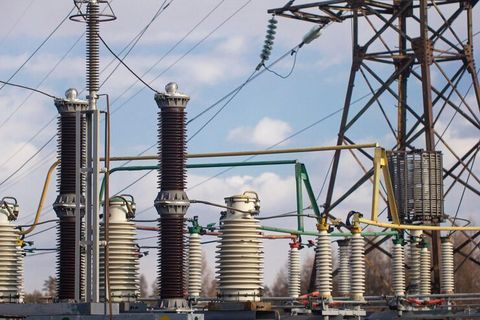
Industrial Transformer Manufacturing: An Informative Guide
Industrial transformer manufacturing involves designing, producing, assembling, and testing transformers used to transfer electrical energy between circuits at different voltage levels.
Transformers are important components in electrical networks because they can increase or decrease voltage while operating at the same frequency.
The basic transformer concept is based on electromagnetic induction. When alternating current flows through a winding, it creates a changing magnetic field in a core. This changing field induces voltage in another winding, allowing electrical energy to move from one circuit to another without a direct electrical connection between the windings.
The development of transformers made it practical to transmit electricity over longer distances and distribute it at different voltage levels. Modern industrial transformer manufacturing combines electrical engineering, magnetic materials, insulation systems, mechanical construction, thermal management, and testing procedures.
How Industrial Transformers Work
A transformer generally contains a magnetic core and two or more electrical windings. The primary winding receives electrical energy, while the secondary winding transfers energy at a different voltage level.
The voltage relationship depends largely on the number of turns in each winding. A transformer with more turns on the secondary side than the primary side can increase voltage, while a lower secondary-to-primary turn ratio can reduce voltage.
Transformers do not generate electrical energy. Their main function is to transfer energy between circuits while adapting voltage and current levels to suit the electrical system.
Main Types of Industrial Transformers
Industrial transformer manufacturing covers several transformer designs. The appropriate configuration depends on voltage, capacity, installation environment, cooling requirements, and the intended electrical application.
| Transformer Type | General Function | Common Application |
|---|---|---|
| Power transformer | Transfers energy at high voltage levels | Transmission networks |
| Distribution transformer | Reduces voltage for local distribution | Utility networks |
| Dry-type transformer | Uses solid insulation rather than liquid cooling | Buildings and industrial facilities |
| Oil-immersed transformer | Uses insulating liquid for cooling and insulation | Outdoor electrical installations |
| Control transformer | Provides suitable voltage for control circuits | Industrial machinery |
| Isolation transformer | Provides electrical separation between circuits | Sensitive equipment |
| Autotransformer | Uses a shared winding arrangement | Voltage adjustment applications |
Importance
Industrial transformer manufacturing plays an important role in electrical infrastructure because factories, processing facilities, transportation systems, commercial buildings, and utility networks often require different voltage levels.
Electricity generated at a power plant may travel through transmission networks at relatively high voltage. Transformers then adjust voltage at different points before electrical energy reaches distribution systems and end-use equipment.
Role in Industrial Facilities
Industrial facilities can contain motors, furnaces, pumps, compressors, automation equipment, lighting systems, and other electrical loads. These systems may require different voltage levels or electrical characteristics.
Transformers can be integrated into plant electrical networks to provide appropriate voltage levels for equipment. Their design also needs to account for operating conditions such as load variation, ambient temperature, available space, and ventilation.
Manufacturing Process
The manufacturing process varies according to transformer design, but several stages are common.
First, electrical and mechanical specifications are established. These can include voltage ratings, capacity, frequency, winding configuration, insulation requirements, cooling arrangement, and enclosure characteristics.
The magnetic core is then produced from electrical steel or another suitable magnetic material. Core construction influences magnetic losses, noise, and overall transformer performance.
Windings are manufactured using insulated conductors arranged according to the required electrical design. Insulation materials are placed between winding layers and other electrical components to maintain separation and withstand operating voltages.
After winding and insulation work, the core and windings are assembled. Additional components may include bushings, terminals, cooling equipment, monitoring devices, protective components, tap-changing equipment, and enclosures.
Quality and Testing
Testing is an important part of industrial transformer manufacturing. Tests can examine electrical characteristics, insulation condition, winding resistance, voltage behavior, losses, temperature-related performance, and mechanical integrity.
Common testing activities may include:
- Winding resistance measurement
- Insulation resistance testing
- Turns-ratio testing
- Applied-voltage testing
- Induced-voltage testing
- No-load and load-loss measurements
- Temperature-rise evaluation
- Oil or insulating-liquid testing for applicable designs
Testing requirements depend on the transformer type, applicable standards, customer specifications, and intended installation.
Recent Updates
Industrial transformer manufacturing is adapting to changes in electricity networks, industrial electrification, renewable energy integration, and digital monitoring. Manufacturers and electrical engineers are paying increased attention to energy efficiency, material selection, monitoring, and manufacturing precision.
Energy-Efficient Designs
Modern transformer development increasingly considers electrical losses during both normal and changing load conditions. Improvements in magnetic materials, core construction, winding arrangements, and cooling methods can influence transformer efficiency.
Amorphous metal cores are also used in certain transformer applications because their magnetic properties can reduce specific types of core losses. Their suitability depends on the design and operating requirements.
Digital Monitoring
Sensors and monitoring systems are increasingly integrated into transformers and substations. Temperature, oil condition, load, moisture, dissolved gases, and other parameters can be monitored depending on transformer design.
Digital monitoring can provide historical information that helps engineers understand equipment behavior. Data can also be integrated into broader electrical asset-management and condition-monitoring platforms.
Renewable Energy Integration
The expansion of solar and wind generation is changing the operating environment for electrical transformers. Renewable generation can introduce variable power flows and different loading patterns compared with conventional generation arrangements.
Transformers used in renewable-energy facilities may therefore require appropriate consideration of voltage regulation, thermal behavior, harmonics, insulation, and changing load conditions.
Advanced Manufacturing
Industrial transformer manufacturing increasingly uses computer-aided design, automated winding equipment, precision measurement, controlled assembly environments, and digital production records.
Computer-based design tools can help engineers examine magnetic fields, thermal conditions, mechanical forces, and insulation arrangements before physical production. Automated equipment can also improve consistency in repetitive manufacturing operations.
Environmental Considerations
Environmental considerations include material selection, transformer losses, insulating-liquid management, noise, and end-of-life handling. Dry-type transformers can be suitable in locations where liquid insulation is not preferred, while liquid-filled designs remain important for many outdoor and high-capacity applications.
Manufacturers and facility operators also need to consider appropriate handling and disposal procedures for insulating materials and fluids according to applicable environmental requirements.
Laws or Policies
In India, industrial transformer manufacturing is influenced by electrical safety requirements, product standards, energy-efficiency provisions, environmental regulations, and installation requirements. The exact rules depend on transformer type, voltage level, application, location, and project specifications.
BIS and Electrical Standards
The Bureau of Indian Standards (BIS) publishes standards relevant to electrical equipment and transformers. Indian Standards may adopt or reference IEC-based technical requirements for transformer design, testing, insulation, performance, and safety.
The IEC 60076 series is widely associated with power transformers and covers areas such as general requirements, temperature-rise testing, insulation, and other transformer characteristics.
Applicable standards should be checked according to the particular transformer category and installation.
Electrical Safety
The Central Electricity Authority (CEA) establishes regulations concerning electrical safety and electricity installations in India. Requirements can apply to substations, electrical installations, protection systems, earthing, clearances, and other aspects of electrical infrastructure.
Transformer installations may also need to follow requirements established by electricity utilities, state authorities, project specifications, and other applicable bodies.
Environmental Requirements
Transformer manufacturing and operation can involve materials such as insulating oils, metals, electrical insulation, and other industrial substances. Environmental requirements may therefore involve organizations such as the Central Pollution Control Board (CPCB), State Pollution Control Boards, and the Ministry of Environment, Forest and Climate Change.
Where insulating oils or other regulated materials are involved, handling, storage, transport, and disposal should follow applicable environmental and hazardous-material requirements.
Tools and Resources
Several technical tools and reference materials are used to understand transformer design, production, testing, and operation.
Design and Calculation Tools
Transformer design calculations can examine voltage ratio, current, winding turns, magnetic flux, conductor dimensions, losses, and thermal behavior. Electrical engineers may use specialized design software or engineering calculation spreadsheets for these tasks.
Useful calculations can include:
- Voltage and turns-ratio calculations
- Full-load current calculations
- Transformer capacity calculations
- Percentage impedance calculations
- Voltage-drop calculations
- Efficiency and loss calculations
- Temperature-rise evaluations
Testing Equipment
Transformer testing laboratories can use specialized instruments for winding resistance, insulation resistance, turns ratio, power factor, partial discharge, dielectric strength, and other electrical measurements.
For liquid-filled transformers, oil-testing equipment can examine properties such as dielectric strength, moisture, acidity, and dissolved gases where applicable.
Reference Resources
Useful information sources include:
- Bureau of Indian Standards publications
- Central Electricity Authority regulations
- IEC 60076 transformer standards
- Central Pollution Control Board publications
- State Pollution Control Board guidance
- Transformer technical manuals
- Electrical design handbooks
- Substation design documentation
- Equipment test procedures and inspection templates
These resources help engineers, students, facility managers, and other readers understand transformer specifications and applicable technical requirements.
FAQs
What is industrial transformer manufacturing?
Industrial transformer manufacturing is the process of designing, producing, assembling, and testing transformers used in industrial and electrical infrastructure. It involves magnetic cores, electrical windings, insulation, cooling arrangements, enclosures, and electrical testing.
How does industrial transformer manufacturing work?
Industrial transformer manufacturing generally involves specification development, core preparation, winding production, insulation, core-and-coil assembly, enclosure or tank construction, accessory installation, finishing, and electrical testing. The exact sequence varies according to transformer design.
What materials are used in industrial transformer manufacturing?
Common materials include electrical steel for magnetic cores, copper or aluminum for windings, insulating paper and other dielectric materials, structural metals, and insulating liquids for applicable liquid-filled designs. Material selection depends on electrical, thermal, mechanical, and environmental requirements.
What are the main types of industrial transformers?
Common types include power transformers, distribution transformers, dry-type transformers, oil-immersed transformers, control transformers, isolation transformers, and autotransformers. Each type has a different construction and intended operating environment.
What standards apply to industrial transformer manufacturing in India?
Applicable requirements can include Indian Standards from BIS, relevant IEC standards such as the IEC 60076 series, and electrical safety regulations administered by bodies such as the CEA. Specific requirements depend on the transformer and its installation.
Conclusion
Industrial transformer manufacturing combines electromagnetic principles, material engineering, mechanical construction, insulation technology, and electrical testing. Transformers are used throughout generation, transmission, distribution, industrial facilities, and other electrical systems to adjust voltage and transfer electrical energy. Current developments include digital monitoring, energy-efficient materials, advanced manufacturing methods, and designs suited to changing electricity networks. Applicable standards and regulations vary according to transformer type, installation, and operating environment.

Related Post...

Michelson Interferometry: Explore Basics, Working Methods, and Optical Applications
Updated: September 08, 2026
Read More
AI Compliance Benefits: Discover Key Facts, Applications, and Learning Resources
Updated: September 08, 2026
Read More
Air-Cooled Pelletizer: Process, Applications, and Technology Overview
Updated: September 07, 2026
Read More