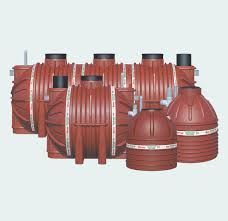
Plastic Septic Tanks: An Informational Guide
A plastic septic tank sits beneath your property doing one of the least glamorous but most critical jobs in residential infrastructure: managing human waste. Yet most homeowners know almost nothing about them until a system fails—and the bill arrives. Understanding what they are, how they work, and what separates a sound installation from a costly mistake is essential before you commit to one.
What Makes Plastic Septic Tanks Different
Traditional septic systems relied on concrete or steel tanks, materials that degrade over decades and require expensive replacement. Polyethylene plastic tanks emerged in the 1970s as a lighter, cheaper alternative that promised longevity without the corrosion problems of metal or the brittleness of aging concrete.
Modern plastic tanks are manufactured from high-density polyethylene (HDPE), a material engineered to resist both chemical degradation and physical stress. The tanks are molded as single, seamless units—no seams means no leak points, a significant advantage over older construction methods. They're also significantly lighter, reducing installation labor and equipment costs.
But plastic isn't a universal upgrade. It performs differently under different soil and water conditions, and the material itself brings tradeoffs that concrete doesn't.
Installation and Site Conditions: Where Plastic Tanks Struggle
The biggest risk with plastic tanks emerges during and immediately after installation. Because polyethylene is less dense than water, plastic tanks can float in saturated soil—a problem that rarely occurs with concrete. If your water table is high or the installation occurs during wet seasons, an empty plastic tank can literally shift upward, cracking the inlet and outlet pipes.
Professional installers mitigate this by either anchoring the tank with straps and concrete pads, or by backfilling carefully with water to keep the tank submerged and stable during the process. Poor installation practices—rushing the backfill, skipping anchoring steps—are the primary cause of premature plastic tank failure.
Plastic also expands and contracts with temperature fluctuations more than concrete does. In regions with extreme seasonal swings, this movement can stress pipe connections over time. Installers must leave adequate slack in inlet and outlet lines to accommodate this movement, but not all do.
Lifespan and Durability Expectations
A well-installed plastic septic tank typically lasts 25 to 40 years, comparable to concrete tanks that are properly maintained. Plastic doesn't corrode from acidic groundwater the way concrete does, and it resists root penetration better than older materials. It also won't crack from freeze-thaw cycles the way concrete tanks in cold climates sometimes do.
However, plastic tanks are susceptible to UV degradation if exposed to sunlight during storage or if installed in shallow systems where the tank top sits close to the surface. Prolonged exposure to gasoline, paint thinner, or other solvents can also degrade polyethylene. Most residential septic systems avoid these exposures, but it's worth confirming your tank has been stored and installed properly.
Cost Comparison: The Real Numbers
A plastic septic tank costs $800 to $2,000 for the tank alone, depending on size and manufacturer. A comparable concrete tank runs $1,500 to $3,500. The savings on the tank itself are real but modest—the larger cost difference emerges in installation labor.
Because plastic tanks are lighter and easier to position, installation labor often runs 20–30% lower than concrete. A full septic system installation (tank, drain field, permits, labor) typically costs $3,000 to $8,000 for plastic versus $4,000 to $10,000 for concrete, depending on soil conditions and site access.
Replacement, however, tells a different story. If your plastic tank fails at year 20 and needs replacement, you're paying the same installation labor as you would for concrete—but you've already paid for two tanks instead of one. Concrete tanks, while more expensive upfront, often outlast plastic by a decade or more if maintained.
Maintenance and System Health
Plastic tanks require the same maintenance discipline as any septic system: pump every 3 to 5 years, avoid flushing non-degradable materials, and keep heavy vehicles off the drain field. The material itself doesn't require special care—no sealing, no chemical treatment.
One advantage: inspecting a plastic tank is straightforward. A septic professional can visually assess the interior condition through the access ports without the guesswork sometimes required with concrete, which can hide cracks until they become catastrophic.
Regulatory and Resale Considerations
Some jurisdictions restrict or prohibit plastic tanks in certain soil types or high-water-table areas, citing concerns about flotation and long-term stability. Before purchasing land or committing to a plastic system, verify local health department regulations. A tank that meets code in one county may be rejected outright in another.
From a resale perspective, plastic tanks carry no stigma in most markets, but older concrete tanks sometimes do—which means a plastic replacement can actually improve property value if the previous system was failing.
The Bottom Line
Plastic septic tanks are a legitimate, cost-effective choice for most residential installations, provided the site conditions are suitable and the installer knows what they're doing. They excel in acidic soils where concrete deteriorates, and they cost less to install. But they're not inherently superior to concrete—they're different, with different vulnerabilities.
The deciding factors aren't the material itself but the water table at your property, the competence of your installer, and your willingness to maintain the system consistently. A poorly installed plastic tank will fail sooner than a well-maintained concrete one. A properly installed plastic tank will serve reliably for decades.

Related Post...

Why Top Business Software Solutions Are Transforming Indian Enterprises
Updated: October 24, 2026
Read More
Automatic Cable Cutting and Stripping Machines: A Guide to Precision and Automation
Updated: October 28, 2026
Read More
FPGA Accelerator Cards: A Guide to Hardware Acceleration and AI Computing
Updated: October 22, 2026
Read More