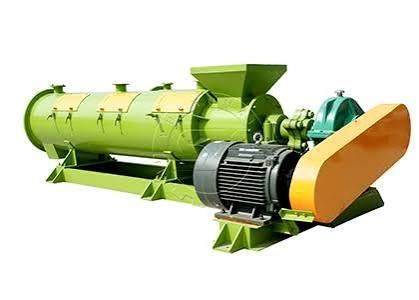
Plastic Granule Dryer Machines: A Guide to Moisture Removal, Drying Technologies and Polymer Processing Standards
Plastic granule dryer machines are industrial devices used to remove excess moisture from plastic pellets before they enter manufacturing processes such as injection moulding, extrusion and blow moulding.
Plastic granules, also called resin pellets or plastic feedstock, are small pieces of polymer used as raw material for producing containers, pipes, packaging, automotive components and household products.
Moisture can enter plastic granules during storage, transportation or exposure to humid air. Some plastics absorb moisture within their structure, while others mainly retain moisture on their surfaces. The drying method depends on the polymer type, the amount of moisture present and the requirements of the manufacturing process.
Excess moisture can affect the quality of moulded or extruded products. In moisture-sensitive plastics, water may react with the polymer during processing and reduce its molecular weight. In other materials, moisture may create bubbles, surface marks or inconsistent product appearance. Plastic granule dryer machines help prepare the material for processing under controlled conditions.
How Plastic Granule Dryers Work
Most plastic granule dryers expose pellets to heated air, dry air or another controlled drying environment. Heat can help moisture move out of the material, while airflow carries moisture away from the granules. Some systems also reduce the humidity of the drying air to improve moisture removal.
The required drying temperature and duration depend on the polymer and the equipment design. Excessive heat can damage certain plastics, while insufficient drying may leave moisture that affects the finished product. Manufacturers therefore specify suitable operating conditions for each material.
Common Types of Plastic Granule Dryer Machines
Several dryer designs are used in plastics manufacturing.
Hot-air dryers: Use heated air to remove surface moisture from suitable plastic materials.
Dehumidifying dryers: Use air with a low moisture content to dry hygroscopic plastics that absorb water from the atmosphere.
Hopper dryers: Hold granules in a hopper while heated or dehumidified air passes through the material.
Desiccant dryers: Use a moisture-absorbing material, known as a desiccant, to reduce humidity in the drying air.
Vacuum dryers: Reduce pressure around the material to support moisture removal at temperatures suitable for the application.
Central drying systems: Supply conditioned drying air to multiple processing machines through a shared arrangement.
These machines serve different purposes. A hot-air dryer may be sufficient for surface moisture, while hygroscopic materials such as nylon, polycarbonate and certain polyester grades often require controlled dehumidification.
Importance
Plastic granule drying is an important preparation step in many plastics manufacturing operations. Material that enters a moulding or extrusion machine with unsuitable moisture levels may produce visible defects, inconsistent dimensions or weaker mechanical properties.
The effects depend on the polymer, processing temperature and production conditions. For some plastics, moisture can cause hydrolytic degradation during melting. For others, it may mainly affect appearance or processing stability. Correct drying helps manufacturers manage these risks and maintain consistent production conditions.
Product Quality and Processing Stability
Moisture can cause bubbles, streaks, surface imperfections and irregular flow in some plastic products. These problems may lead to rejected components or additional inspection and reprocessing.
Drying also helps stabilise material behaviour during moulding and extrusion. When the moisture level is controlled, operators can assess other processing variables more consistently, including melt temperature, pressure, cooling and cycle time.
Protecting Moisture-Sensitive Plastics
Some polymers absorb moisture from surrounding air. Examples include polyamide, commonly known as nylon, polycarbonate and many polyethylene terephthalate grades. If these materials are processed while too wet, moisture can react with the polymer under heat and affect its properties.
The required drying conditions differ by grade and formulation. Material suppliers provide guidance on drying temperature, duration and target moisture content, and those specifications should take precedence over general settings.
Energy and Material Management
Drying equipment uses energy to heat air, remove moisture and circulate material or air through the system. Poor insulation, air leakage, unsuitable temperature settings and unnecessarily long drying periods may increase energy consumption.
Manufacturing facilities can monitor drying temperature, airflow, dew point and material moisture to understand system performance. These measurements also help identify problems such as blocked filters, inadequate airflow or a malfunctioning dehumidification unit.
Recent Updates
Plastic granule drying technology increasingly focuses on energy monitoring, automated controls, material traceability and integration with plastics processing equipment. These developments reflect the need to manage moisture levels consistently while reducing unnecessary energy use and production interruptions.
Automated Temperature and Dew-Point Controls
Modern dryers may use sensors and electronic controllers to monitor drying temperature, air conditions and operating time. Dehumidifying systems often track dew point, which indicates how much water vapour is present in the air.
A low dew point generally indicates drier air, which is important when drying moisture-sensitive polymers. However, the required dew point depends on the material and process. Sensor calibration and correct placement remain important for reliable measurements.
Energy-Efficient Drying Systems
Manufacturers continue to develop systems with improved insulation, controlled airflow, heat recovery and variable-speed components. These features can help match energy use to the drying load and operating requirements.
The actual energy performance depends on the dryer design, ambient conditions, throughput and material moisture. A system that operates efficiently with one polymer or production rate may behave differently under another set of conditions.
Integration with Production Equipment
Some facilities connect dryers with injection moulding machines, extruders and central material-handling systems. Automatic loading and conveying can reduce manual material transfer and help maintain a steady supply of prepared granules.
Integrated systems require coordination between the dryer, conveying equipment and processing machine. Incorrect settings or material changes can still result in inadequate drying, so process checks and clear material identification remain necessary.
Drying Recycled Plastic Granules
Recycled plastic pellets may contain varying levels of moisture depending on washing, separation, storage and pelletising methods. Their drying requirements depend on the polymer type and the condition of the material after recycling.
Recycled granules may also contain mixed polymers or contaminants that affect processing. Drying removes moisture but does not correct material incompatibility or eliminate every contaminant, so suitable sorting and quality checks remain necessary.
Laws or Policies
In India, plastic granule drying equipment may be affected by workplace safety requirements, electrical rules, environmental regulations and product-quality requirements relevant to the manufacturing facility. The exact obligations depend on the equipment, plant activities and materials being processed.
Workplace and Machinery Safety
The Occupational Safety, Health and Working Conditions Code, 2020, forms part of India's consolidated framework for occupational safety and working conditions. Its application should be assessed against current commencement notifications, applicable rules and the requirements relevant to the particular facility.
Dryers can present hazards involving hot surfaces, electrical systems, moving parts, dust and material handling. Appropriate guarding, electrical protection, temperature controls, ventilation and operator training help manage these risks. Maintenance work should follow equipment-specific isolation procedures.
Environmental Requirements for Plastics Manufacturing
Plastic processing and recycling facilities may need to comply with the Environment (Protection) Act, 1986, the applicable pollution-control framework and relevant provisions of the Plastic Waste Management Rules, 2016, as amended. Requirements depend on the activity, plant category and local permissions.
The Central Pollution Control Board and the relevant State Pollution Control Board provide information about environmental requirements. Facilities should assess whether their operations require particular approvals, monitoring or waste-handling arrangements.
Product Quality and Material Handling
Plastic manufacturers may need to meet customer specifications and applicable product standards for their finished goods. Drying conditions can influence product quality, but a dryer alone does not establish compliance with every material or product requirement.
Facilities should maintain records of material grades, drying settings, operating conditions and quality checks where relevant. Such records can help identify the causes of defects and support consistent production practices.
Tools and Resources
Selecting and operating plastic granule dryer machines involves understanding polymer properties, measuring moisture and monitoring drying conditions. Technical resources should match the specific plastic grade and manufacturing process.
Common Monitoring Instruments
Moisture analysers help determine the moisture content of plastic granules. The measurement method must be suitable for the polymer and the required accuracy.
Dew-point meters measure the moisture condition of air used in dehumidifying dryers. These readings help operators assess whether the drying air meets the process requirements.
Temperature sensors and controllers monitor the air and material environment. Correct placement and calibration are important because the temperature measured at one point may not represent conditions throughout the hopper.
Airflow instruments help assess circulation and identify possible restrictions. Filters, hoses and conveying lines should also be checked for blockage or leakage.
Dryer Selection Factors
When evaluating equipment, facilities generally consider:
Polymer type: Determine whether the material absorbs moisture and identify its drying requirements.
Throughput: Match the dryer capacity to the quantity of material needed per hour.
Moisture level: Consider the initial moisture content and the target required for processing.
Temperature control: Confirm that the equipment can maintain the material-specific operating range.
Air treatment: Assess whether heated air, dehumidified air or vacuum drying is appropriate.
Material handling: Review hopper size, conveying arrangements and compatibility with the production line.
Maintenance access: Consider filter cleaning, desiccant replacement and access to sensors or moving components.
The table below summarises common dryer types and their general applications.
| Dryer type | Main principle | Typical application |
|---|---|---|
| Hot-air dryer | Uses heated air | Surface moisture removal from suitable materials |
| Hopper dryer | Holds granules during controlled heating | Drying material near a processing machine |
| Desiccant dryer | Uses moisture-absorbing material to dry air | Moisture-sensitive polymers |
| Dehumidifying dryer | Circulates air with controlled low humidity | Hygroscopic plastic granules |
| Vacuum dryer | Reduces pressure to assist moisture removal | Selected polymers and processes requiring controlled drying |
Actual suitability depends on the polymer grade, production requirements and equipment specifications.
Technical Information Sources
Useful resources include polymer manufacturer datasheets, dryer operating manuals, the Central Pollution Control Board, the relevant State Pollution Control Board and applicable standards from the Bureau of Indian Standards. These sources can provide material-specific drying guidance, equipment instructions and information about relevant compliance requirements.
FAQs
What are plastic granule dryer machines used for?
Plastic granule dryer machines remove excess moisture from plastic pellets before moulding, extrusion or other processing operations. The required drying method depends on the polymer and the amount of moisture present.
Which plastic granules require a dehumidifying dryer?
Moisture-sensitive plastics such as nylon, polycarbonate and many PET grades often require dehumidified air before processing. Exact requirements vary by grade and should follow the material supplier's instructions.
How long does it take to dry plastic granules?
Drying time depends on the polymer, initial moisture level, granule size, dryer design, airflow and temperature. The appropriate duration should be based on the material specifications and verified operating conditions.
What is the difference between a hot-air dryer and a desiccant dryer?
A hot-air dryer uses heated air to remove moisture, particularly from suitable surface-wet materials. A desiccant dryer reduces the moisture content of the drying air, making it suitable for many plastics that absorb moisture internally.
How can plastic granule dryer performance be monitored?
Performance can be assessed by monitoring temperature, dew point, airflow, drying duration and material moisture content. Regular maintenance of filters, sensors, heaters and air-treatment components also supports consistent operation.
Final Thoughts
Plastic granule dryer machines prepare polymer materials for moulding, extrusion and other manufacturing processes by controlling moisture before processing. Different dryer types serve different materials, and correct settings depend on the polymer grade and required product characteristics. Modern systems increasingly use sensors, automated controls and energy-monitoring features to manage drying conditions. Consistent results depend on suitable equipment selection, material-specific procedures, regular maintenance and appropriate quality checks.

Related Post...
Plastic Extrusion Machines: Learn About Types, Functions and Industrial Uses
Updated: September 17, 2026
Read More
PPR Pipe Machine Information: Explore Types, Applications, and Process Details
Updated: September 07, 2026
Read More