Precious Metal Trading: Types, Market Prices & How to Invest
Precious metal trading involves buying and selling metals.
Gold, silver, platinum, and palladium are commonly traded for industrial, jewellery, and investment purposes. Their prices can change in response to economic conditions, currency movements, industrial demand, supply levels, and investor activity.
Precious metals investment can involve owning physical bullion or gaining exposure through financial products. Buyers may use a gold trading platform, work with gold bullion dealers, or explore a gold investment account. Understanding these options, their costs, and their risks helps individuals make informed decisions.
Understanding Precious Metal Trading
What are precious metals?
Precious metals are naturally occurring metals valued for their properties, scarcity, and uses. Gold and silver are widely recognised, while platinum and palladium have important industrial applications.
These metals are traded in international markets. Prices are commonly quoted per troy ounce, although dealers may also use grams, kilograms, or other units when pricing physical products.
How does the market work?
Precious metal prices are influenced by the relationship between supply and demand. Mining production, recycling, jewellery purchases, industrial consumption, central bank activity, and investment demand can all affect market conditions.
Gold is often discussed in relation to inflation expectations, interest rates, and currency movements. Silver has both investment and industrial demand, which can create different price influences. However, neither metal follows a predictable price pattern.
Types of Precious Metal Investments
Investors can access precious metals through several methods. Each approach has different ownership arrangements, costs, and risks.
Physical bullion
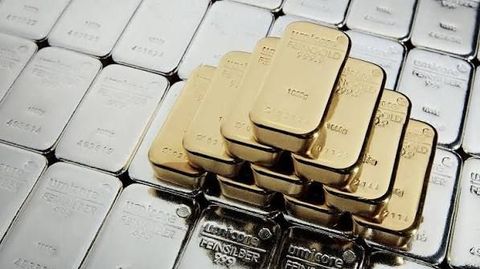
Physical bullion includes gold bars, silver bars, and investment-grade coins. Buyers own the metal directly and must consider storage, insurance, authenticity, and resale arrangements.
The price generally includes the metal's market value plus a dealer premium. Smaller bars and coins may have higher premiums relative to their metal content than larger products.
Exchange-traded products
Some exchange-traded funds and similar products provide exposure to precious metal prices through brokerage accounts. Their structures differ: some hold physical metal, while others use financial contracts or other arrangements.
Investors should review the product's prospectus, fees, custody arrangements, tracking method, and risks. Owning shares in a metal-related fund does not necessarily mean holding specific physical bullion.
Futures and other contracts
Gold commodity trading can involve futures contracts, which are agreements to buy or sell an asset at a specified price and future date. These products are used by commercial participants and financial traders for hedging or speculation.
Futures may involve leverage and substantial price exposure. Their contract terms, margin requirements, expiry dates, and settlement arrangements require careful understanding before participation.
Gold and Silver Trading Platforms
Gold trading platform
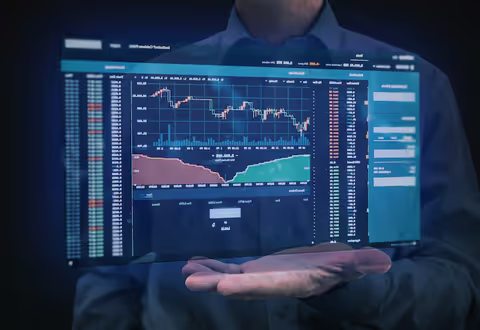
A gold trading platform is an online service that allows users to access gold-related financial products or trading arrangements. Depending on the provider, it may offer market prices, order placement, account records, charts, and transaction statements.
Platforms differ in what they actually provide. Some facilitate purchases of physical gold, while others offer contracts or securities linked to gold prices. Users should establish whether they own metal, hold a financial product, or trade a contract.
Silver trading platform
A silver trading platform provides access to silver-related products or market instruments. These may include physical silver purchases, exchange-traded products, or contracts based on silver prices.
Silver prices can be affected by industrial demand from sectors such as electronics, solar technology, and manufacturing. This means silver may respond differently from gold to changes in economic activity.
Comparing platform features
| Feature | What to examine |
|---|---|
| Product type | Physical metal, fund, or trading contract |
| Fees | Transaction, account, storage, and withdrawal charges |
| Pricing | Price source, spreads, and order execution |
| Security | Account protection and access controls |
| Withdrawals | Cash withdrawal or physical delivery conditions |
| Documentation | Statements, confirmations, and ownership records |
Platform availability and regulatory requirements vary by country. Buyers should check the provider's legal status and understand the product before depositing money.
Gold Investment Companies and Bullion Dealers
Understanding gold investment companies
Gold investment companies may provide access to physical bullion, investment products, storage arrangements, or account services. Their business models and regulatory responsibilities can differ significantly.
Before dealing with a company, review its registration, fee schedule, customer agreements, delivery terms, and complaint procedures. Understand whether the company acts as a dealer, custodian, broker, or investment provider.
Choosing gold bullion dealers
Gold bullion dealers buy and sell bars and coins. Some operate physical shops, while others accept orders online and arrange insured delivery or storage.
When comparing dealers, consider:
Pricing: Compare the quoted price with the relevant market price and stated premium.
Purity: Check the metal content, weight, and recognised product specifications.
Authenticity: Review testing procedures and documentation.
Delivery: Understand shipping, insurance, and delivery arrangements.
Buyback terms: Check how resale prices are calculated and whether conditions apply.
Invoices and product records should clearly identify the item, weight, purity, price, and transaction date.
Precious Metals IRA and Investment Accounts
What is a precious metals IRA?
A precious metals IRA is a type of individual retirement account available under United States tax rules. It may allow certain approved precious metal products to be held through an eligible retirement account structure, subject to applicable requirements.
Not every coin or bullion product qualifies. Account holders generally need an eligible custodian and an approved storage arrangement. Tax treatment, fees, distribution rules, and product eligibility should be checked against current regulations and professional guidance.
Understanding a gold investment account
A gold investment account may allow customers to gain exposure to gold without personally storing bars or coins. The exact arrangement varies: an account may represent allocated metal, an unallocated claim, or exposure to a financial product.
Buyers should ask how ownership is recorded, whether specific bars are assigned, where metal is stored, and what happens if the provider becomes insolvent. Account terms should explain redemption, transfer, and withdrawal procedures.
Factors That Influence Precious Metal Prices
Precious metal markets respond to several economic and industry conditions.
Interest rates: Changes in interest rates can influence the relative appeal of assets that do not pay interest.
Currency movements: Gold and silver are commonly priced internationally in US dollars, so currency changes can affect local prices.
Inflation expectations: Investors may consider precious metals when evaluating purchasing power, although prices do not always move in line with inflation.
Industrial demand: Silver, platinum, and palladium have uses in manufacturing and technology.
Supply conditions: Mining output, recycling, production costs, and disruptions can influence available supply.
Market sentiment: Investor expectations and financial uncertainty can affect buying and selling activity.
These factors interact, so no single indicator reliably predicts future prices.
Risks and Important Considerations
Precious metals can experience price declines and periods of volatility. Physical ownership also involves storage, insurance, transport, and resale considerations.
Other risks include:
Dealer premiums and transaction spreads reducing resale proceeds.
Platform or provider failures affecting access to funds or assets.
Leverage increasing potential losses in contract-based trading.
Counterfeit products or inaccurate ownership documentation.
Currency conversion, tax, and regulatory costs.
Investors should understand the product structure and consider their financial circumstances before making decisions. This article provides general information, not personalised financial or tax advice.
Frequently Asked Questions
Is precious metals investment limited to gold?
No. Investors may consider silver, platinum, and palladium, depending on the available products and their objectives.
What is the difference between a bullion dealer and a trading platform?
A bullion dealer sells or buys physical metal, while a trading platform may provide access to physical products or financial instruments.
Is gold commodity trading the same as owning gold?
No. Commodity trading may involve contracts linked to gold prices without direct ownership of physical bullion.
Can a precious metals IRA hold any gold product?
No. Eligible products and account arrangements must meet applicable United States retirement account rules.
Conclusion
Precious metal trading includes physical bullion purchases, investment accounts, exchange-traded products, and commodity contracts. Gold and silver markets respond to economic conditions, industrial demand, and investor activity. Understanding ownership structures, platform fees, dealer practices, storage arrangements, and market risks is essential when evaluating precious metals investment options.
Disclaimer: The information provided in this article is for informational purposes only. We do not make any claims or guarantees regarding the accuracy, reliability, or completeness of the information presented. The content is not intended as professional advice and should not be relied upon as such. Readers are encouraged to conduct their own research and consult with appropriate professionals before making any decisions based on the information provided in this article.

Related Post...

Fidelity Investments: A Beginner’s Guide to Brokerage Accounts, ETFs
Updated: November 18, 2026
Read More