The concept of quenching dates back to early metalworking practices, where blacksmiths used water or oil to cool heated tools and weapons. Over time, this method evolved into a controlled industrial process used in automotive, aerospace, construction, and tool-making industries. Today, quenching manufacturing is a key step in producing components that need durability and resistance to wear.
The process exists because untreated metals often lack the strength required for demanding applications. By carefully controlling heating and cooling, manufacturers can improve hardness, strength, and performance without changing the material’s shape significantly.
Importance
Quenching manufacturing plays an important role in modern production because it helps improve the mechanical properties of metal parts. Many everyday items, such as vehicle components, cutting tools, and machinery parts, rely on heat-treated metals for reliable performance.
One major benefit is increased hardness. When steel is quenched, its structure transforms into a harder phase, making it more resistant to deformation. This is especially useful in applications where parts face constant stress or friction.
Another reason this process matters is safety. Components like gears, shafts, and fasteners must withstand high loads. Without proper quenching manufacturing, these parts could fail under pressure, leading to equipment damage or safety risks.
Quenching also supports efficiency in manufacturing. By enhancing the properties of standard materials, industries can use widely available metals instead of relying on specialized alloys. This makes production more consistent and adaptable across different sectors.
Recent Updates
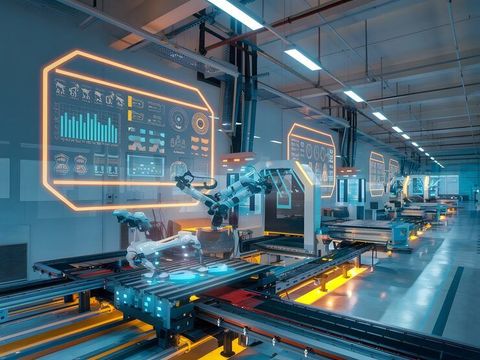
In recent years, quenching manufacturing has seen improvements driven by automation and environmental awareness. Modern systems use sensors and digital controls to monitor temperature, cooling rates, and material behavior in real time. This helps maintain consistent quality across large production batches.
Another trend is the use of environmentally conscious quenching media. Traditional oils and chemicals are gradually being replaced or improved to reduce emissions and waste. Water-based polymers are increasingly used because they allow adjustable cooling rates while reducing environmental impact.
Advanced simulation software is also becoming more common. Engineers can now model quenching processes before actual production, predicting how a material will behave under different conditions. This reduces trial-and-error and improves process accuracy.
Additionally, industries are focusing on minimizing distortion and cracking during quenching. Techniques such as vacuum quenching and gas quenching are gaining attention because they provide controlled cooling without direct contact with liquids.
Laws or Policies
Quenching manufacturing is influenced by industrial safety regulations and environmental guidelines. Governments and regulatory bodies set standards to ensure safe handling of high-temperature materials and quenching media.
In many regions, workplace safety laws require protective equipment, proper ventilation, and training for workers involved in heat treatment processes. These rules aim to reduce risks such as burns, exposure to fumes, and equipment accidents.
Environmental policies also play a role. Disposal and handling of quenching oils and chemicals must follow guidelines to prevent soil and water contamination. Industries are encouraged to adopt cleaner alternatives and reduce waste generation.
Quality standards, such as those set by international organizations, define how heat treatment processes should be controlled and documented. These standards help ensure that quenched components meet performance requirements across different industries.
Tools and Resources
Quenching manufacturing relies on a range of tools and resources to ensure accuracy and consistency. These tools help monitor temperature, control cooling rates, and evaluate the final properties of materials.
Common tools include:
- Furnaces: Used to heat metals to precise temperatures before quenching
- Quenching tanks: Containers filled with water, oil, or polymer solutions for rapid cooling
- Temperature sensors: Devices that track heat levels during the process
- Hardness testers: Instruments that measure the strength and hardness of treated materials
- Simulation software: Programs that model heat treatment processes and predict outcomes
The choice of quenching medium is also important. Different materials require different cooling rates, which are achieved using specific liquids or gases.
Common Quenching Media and Their Characteristics
| Quenching Medium | Cooling Speed | Typical Use Case | Key Characteristics |
|---|---|---|---|
| Water | Very fast | Simple steel parts | High cooling rate, may cause cracking |
| Oil | Moderate | Automotive components | Reduces stress and distortion |
| Polymer solutions | Adjustable | Precision parts | Controlled cooling, flexible use |
| Air or gas | Slow | Thin or delicate parts | Minimal distortion, lower stress |
These resources help manufacturers select the right method for different applications while maintaining quality and safety.
FAQs
What is quenching manufacturing and how does it work?
Quenching manufacturing is a heat treatment process where metal is heated and then rapidly cooled. This changes the internal structure of the material, making it harder and stronger.
Why is quenching important in manufacturing?
Quenching is important because it improves the durability and strength of metal components. It helps parts withstand stress, wear, and repeated use in various applications.
What are the common types of quenching methods?
Common methods include water quenching, oil quenching, polymer quenching, and gas quenching. Each method provides a different cooling rate depending on the material and desired properties.
Is quenching manufacturing safe?
Quenching manufacturing can be safe when proper precautions are followed. This includes using protective equipment, maintaining equipment properly, and following safety guidelines for handling high temperatures and liquids.
What materials are suitable for quenching manufacturing?
Steel is the most commonly quenched material. Other metals, such as certain alloys, can also be heat-treated using similar processes, depending on their composition and intended use.
Conclusion
Quenching manufacturing is a widely used process that enhances the strength and durability of metals through controlled heating and rapid cooling. It plays a key role in producing reliable components for many industries. Advances in technology and environmental practices continue to improve how this process is performed. Understanding its methods, safety considerations, and tools helps explain its importance in modern manufacturing.