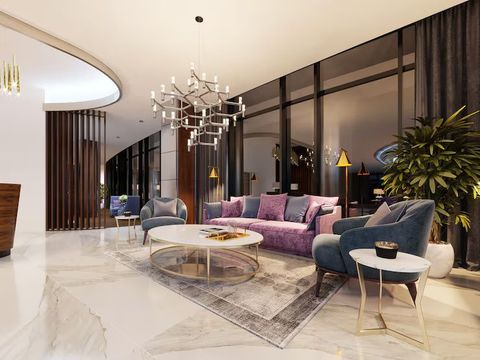
Why Expensive Interior Designs Don't Always Feel Luxurious
Expensive interiors do not always create a luxurious experience. Costly furniture, premium materials, and decorative finishes may still feel uncomfortable or visually unbalanced without thoughtful planning. In the UAE, interior design varies across apartments, villas, kitchens, and modern offices. Understanding how lighting, proportions, materials, and functionality work together helps homeowners and businesses make informed decisions. This guide explores interior design benefits, styles, and features that contribute to comfortable, refined spaces.
What Makes an Interior Feel Luxurious?
Luxury interior design is not simply about selecting premium products. It involves creating a balanced environment where materials, lighting, proportions, colors, furniture, and functionality work together.
For example, a room filled with oversized furniture may appear impressive in a showroom but feel restrictive in an actual apartment. Similarly, glossy surfaces and decorative details can lose their appeal when there is insufficient lighting or no clear visual structure.
A well-designed space considers the people who use it. Comfortable seating, thoughtful storage, suitable lighting, and a consistent color palette can contribute to a sense of quality without requiring every item to be expensive.
In the UAE, climate and lifestyle also influence interior decisions. Natural light, heat, dust, air conditioning, and the intended use of a property can affect the suitability of materials, finishes, and furniture arrangements.
Understanding Interior Design Styles, Renovation, and Professional Services
The following terms describe different services, spaces, and approaches associated with interior design in the UAE.
- Apartment Designer: An apartment designer plans layouts, furniture, lighting, colors, and storage for apartment spaces, balancing available floor area with residents' practical needs and aesthetic preferences.
- Kitchen Interior: Kitchen interior design considers cabinetry, countertops, appliances, lighting, ventilation, and storage, helping create a space that supports cooking, cleaning, organization, and everyday household activities.
- Interior Renovation: Interior renovation updates existing spaces through changes to finishes, layouts, fixtures, or built-in elements, with the project's scope depending on property conditions, requirements, and approvals.
- Villa Interior: Villa interior design coordinates rooms, materials, furniture, lighting, and decorative details across larger residential properties, supporting consistent aesthetics and the needs of different household activities.
- Modern Office Interior Design: Modern office interior design organizes workstations, meeting areas, lighting, furniture, and shared spaces to support contemporary workflows, employee comfort, collaboration, and organizational identity.
- Interior Stylist: An interior stylist arranges furnishings, accessories, artwork, and textiles to improve a space's visual presentation, often working with existing layouts and architectural features.
- Luxury Interior Design: Luxury interior design combines considered materials, craftsmanship, proportions, lighting, comfort, and personalized details to create refined spaces without relying solely on expensive products.
- Interior Designer: This phrase describes a location-based search for interior design professionals, allowing people to investigate nearby service providers, compare project portfolios, and review relevant experience.
- Interior Design Studio: An interior design studio is a professional practice that may offer space planning, concept development, material selection, technical drawings, renovation coordination, and interior styling services.
Why Expensive Interior Designs Sometimes Feel Ordinary
1. Too Many Decorative Elements
Adding more expensive objects does not necessarily improve a room. When furniture, accessories, wall treatments, and decorative lighting compete for attention, the space may lack a clear focal point.
A more considered approach gives important elements room to stand out. Selective decoration, balanced spacing, and a consistent design direction can make an interior feel more composed.
2. Poor Proportions and Layout
Furniture should relate to the size and shape of a room. An oversized sofa can dominate a small apartment living area, while undersized furniture may make a large villa feel empty.
Proportions also apply to ceilings, artwork, lighting fixtures, and decorative features. Interior designers often consider circulation routes and sightlines to ensure that a room feels comfortable rather than crowded.
3. Inconsistent Materials and Finishes
Expensive marble, metal, wood, and glass can look disconnected when their colors, textures, or finishes do not complement one another. A collection of premium materials needs a coherent visual direction.
Combining contrasting textures can create depth, but the relationship between them matters. For instance, natural wood may soften a polished stone surface, while fabric and subtle metal accents can help balance a contemporary room.
4. Inadequate Lighting
Lighting affects how people perceive colors, textures, and room dimensions. A costly interior can feel flat under harsh overhead lighting or appear uncomfortable when decorative fixtures produce excessive glare.
A thoughtful lighting plan combines general illumination, task lighting, and accent lighting. Dimmers and appropriately positioned fixtures can also help users adjust the atmosphere throughout the day.
5. Prioritizing Appearance Over Comfort
A visually striking room may be difficult to use if seating is uncomfortable, storage is insufficient, or frequently used items are inconveniently placed.
Luxury should support everyday living. Comfortable furniture, accessible storage, durable surfaces, and practical room arrangements help create interiors that remain appealing beyond their initial appearance.
Benefits of Thoughtful Interior Design
Good interior design can improve how people experience their homes and workplaces. Its value comes from the relationship between appearance, functionality, and long-term usability.
- Improved Comfort: Thoughtful furniture selection, suitable lighting, and practical layouts create welcoming environments that support relaxation, everyday activities, and comfortable movement throughout different rooms.
- Better Space Utilization: Careful planning makes use of available floor area, improves circulation, and incorporates storage solutions that help rooms feel organized without unnecessary furniture or decoration.
- Visual Consistency: A coordinated approach to colors, textures, materials, and finishes helps different elements work together, creating a more harmonious appearance across the entire property.
- Long-Term Practicality: Durable materials and functional design decisions can reduce maintenance difficulties and help interiors remain suitable for changing household needs, workplace requirements, and everyday use.
- Personal Expression: Design choices allow residents and businesses to reflect their preferences, cultural influences, and intended atmosphere without relying exclusively on expensive furniture or decorative accessories.
- More Effective Work Environments: Well-planned office interiors support movement, concentration, collaboration, and task-specific lighting, helping employees use the workspace more comfortably throughout the working day.
Types of Interior Design
Interior design varies according to the property's purpose, available space, architectural features, and the preferences of its occupants.
- Modern Interior Design: Modern interiors emphasize clean lines, functional furniture, restrained decoration, and purposeful materials, creating spaces where simplicity and carefully selected details establish the overall visual character.
- Contemporary Interior Design: Contemporary design reflects evolving styles and may combine curved furniture, natural textures, contrasting finishes, and flexible layouts to create interiors that feel current and adaptable.
- Minimalist Interior Design: Minimalist interiors reduce visual clutter through selective furnishings, simple forms, and organized storage, allowing space, light, and material quality to become more noticeable.
- Luxury Interior Design: Luxury interiors emphasize considered craftsmanship, comfortable furnishings, refined materials, balanced lighting, and personalized details, focusing on the complete experience rather than the cost of individual products.
- Traditional Interior Design: Traditional interiors may incorporate detailed woodwork, classic furniture shapes, decorative textiles, and established color palettes, creating environments influenced by historical design traditions and cultural preferences.
- Industrial Interior Design: Industrial interiors often feature exposed structural elements, metal finishes, textured surfaces, and practical furniture, combining architectural character with functional arrangements suited to selected residential or commercial spaces.
Important Features of a Refined Interior
A sophisticated interior usually depends on several connected design decisions rather than one standout product. These features can influence both the visual experience and everyday functionality of a space.
- Balanced Lighting: Layered lighting combines general, task, and accent illumination to highlight important details, support everyday activities, and create a comfortable atmosphere under different conditions.
- Material Coordination: Coordinating wood, stone, metal, glass, and textiles creates visual continuity, allowing different finishes to complement one another instead of competing for attention.
- Appropriate Furniture Scale: Furniture selected according to room dimensions preserves walking space, improves comfort, and creates balanced arrangements that feel suitable for the property's proportions.
- Functional Storage: Integrated cabinets, concealed compartments, and well-planned shelving help organize belongings, reduce visible clutter, and maintain clean surfaces throughout frequently used spaces.
- Thoughtful Color Selection: A considered color palette connects walls, furniture, flooring, and accessories, creating visual harmony while allowing selected colors or textures to provide contrast and character.
- Quality Craftsmanship: Accurate installation, aligned surfaces, carefully finished edges, and well-fitted cabinetry contribute to an interior's overall appearance and help reduce avoidable maintenance issues.
- Personalized Details: Artwork, textiles, lighting accents, and meaningful objects introduce individual character, making a space feel distinctive without requiring excessive decoration or uniform styling.
Interior Design Considerations for UAE Properties
The UAE includes a variety of residential and commercial settings, from compact urban apartments to large villas and contemporary office spaces. Each property benefits from design decisions suited to its architecture and daily use.
Apartment Interiors
Apartment design often requires careful use of limited floor space. Multifunctional furniture, vertical storage, suitable mirrors, and open circulation routes can help rooms feel organized and comfortable.
Natural light should be considered when choosing curtains, wall colors, and furniture placement. Where daylight is limited, layered artificial lighting can help create a balanced environment.
Kitchen Interiors
Kitchen design must combine appearance with practical requirements. Work surfaces, storage, ventilation, appliance placement, and lighting all influence how efficiently the space functions.
Premium finishes can contribute to the visual effect, but maintenance requirements also matter. Materials should suit cooking habits, cleaning routines, and the amount of daily use the kitchen receives.
Villa Interiors
Villas may offer larger rooms, multiple living areas, outdoor connections, and opportunities for customized features. Maintaining consistency between these spaces helps create a unified design.
Designers may also consider privacy, family routines, entertaining requirements, and the relationship between indoor and outdoor areas. A coordinated approach can help large properties feel welcoming rather than excessively formal.
Modern Office Interiors
Office design should respond to work activities, employee needs, and organizational culture. Meeting rooms, collaborative areas, individual workstations, and shared facilities may require different lighting, furniture, and acoustic treatments.
An attractive office can still be ineffective if employees lack privacy, storage, or suitable work surfaces. Functionality should remain central to decisions about finishes, layouts, and decorative features.
The Role of an Interior Designer or Stylist
Interior designers help translate a property's requirements into practical design plans. Depending on the project, their responsibilities may include space planning, material selection, furniture layouts, lighting coordination, drawings, and communication with contractors.
An interior stylist may focus more closely on the presentation of an existing space. Styling can involve arranging furniture, selecting accessories, coordinating textiles, and refining decorative details without necessarily changing the property's structure.
Some professionals provide both design and styling services. Before starting a project, clients should clarify the scope of work, expected deliverables, fee arrangements, timelines, and responsibility for purchasing or supervising materials.
For major renovations, it is also important to understand which tasks require licensed contractors, engineers, or other qualified professionals. Interior design services do not automatically replace technical assessments or necessary approvals.
How to Plan an Interior Design Project
A clear process can help homeowners and businesses make practical design decisions and manage expectations.
First, define the purpose of the space. Consider who will use it, which activities it must support, and what currently feels uncomfortable or inefficient. This creates a useful starting point for the design brief.
Next, establish a budget that includes design fees, materials, furniture, installation, contractor charges, and a contingency for unexpected work. Request itemized estimates so different project proposals can be compared on similar terms.
Review portfolios and previous projects to understand a designer's approach. Ask about experience with comparable property types, communication methods, project timelines, and the responsibilities included in the agreement.
Before purchasing materials, consider durability, cleaning requirements, climate suitability, and compatibility with other finishes. In the UAE, heat, dust, sunlight, and air-conditioning conditions may influence decisions about fabrics, flooring, window treatments, and furniture placement.
Finally, review the design as a complete plan. A consistent combination of layout, lighting, materials, and comfort is more likely to produce a cohesive result than selecting expensive items individually.
Recommended Interior Design Companies
- Muse Interior Design: Muse Interior Design operates across the UAE, offering residential and commercial design services, including apartment interiors, villa renovations, customized furnishings, and coordinated interior styling.
- Bishop Design: Bishop Design is a Dubai-based studio specializing in hospitality, restaurant, retail, and commercial interiors, with projects focused on distinctive aesthetics, functional layouts, and brand identity.
- Algedra Interior Design: Algedra provides residential and commercial interior design services across the UAE, incorporating diverse cultural influences, detailed finishes, space planning, and coordinated architectural concepts.
Final Thoughts
Expensive interiors do not automatically create luxurious experiences. Thoughtful proportions, balanced lighting, coordinated materials, comfortable furniture, and practical layouts often have a greater influence on how a space feels. Whether planning an apartment, kitchen, villa, or office in the UAE, consider daily needs alongside visual preferences. Interior designers and stylists can help coordinate these decisions, but clear goals and realistic budgets remain essential. A well-planned interior combines functionality, comfort, and personal character without depending solely on high-priced products.

Related Post...
Explore Bathroom Remodel Options, Design Choices, and How People Plan Their Projects
Updated: July 28, 2026
Read More