Zumba Classes for Adults: A Guide to Dance Workouts, Fitness Benefits, Class Formats
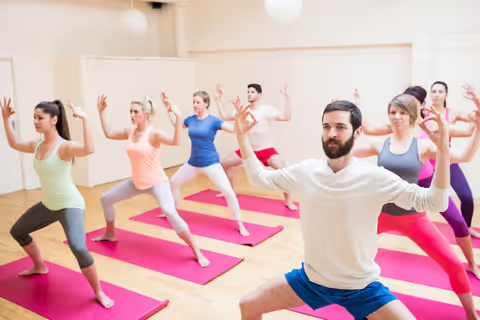
Zumba classes for adults combine dance movements with music and fitness exercises to create a group workout.
The routines often draw inspiration from Latin dance styles, including salsa, merengue, cumbia and reggaeton, along with music and movements from other cultures. Participants follow an instructor through repeated sequences designed to keep the body moving.
Zumba developed as a dance-based fitness approach that makes physical activity feel more like a dance session than a traditional workout. Classes can include people with different levels of dance experience, from beginners learning basic steps to regular participants familiar with faster routines.
Adult classes are generally structured around rhythmic movement, coordination and aerobic activity. The intensity varies according to the music, choreography, duration and instructor. Some sessions focus on moderate movement, while others include quicker sequences that require greater stamina.
How a Typical Class Works
A standard session often begins with a warm-up, followed by several dance routines and a gradual cool-down. The instructor demonstrates movements, and participants follow along while adjusting the range and speed of their movements to suit their abilities.
Routines commonly repeat particular steps, making them easier to follow after several repetitions. Participants do not need formal dance training, although learning the rhythm and coordinating footwork may take practice.
A typical session may include:
Warm-up: Gentle movements prepare the body for more active exercise.
Dance routines: Participants move to different rhythms using steps, arm movements and changes in direction.
Intensity changes: Faster and slower songs create variation in activity levels.
Cool-down: Gradual movement helps the body transition toward a resting state.
Class duration and structure vary by instructor and programme. Some sessions are designed for beginners, while others may include more complex choreography or sustained vigorous movement.
Common Types of Adult Zumba Classes
Zumba programmes can differ in intensity, movement style and participant needs. Understanding these differences helps adults identify a format that matches their current fitness level.
Traditional Zumba: Combines dance-inspired routines with aerobic movement and changing musical rhythms.
Zumba Gold: Generally uses lower-impact movements and modified routines for older adults, beginners or people who prefer a gentler pace.
Aqua Zumba: Adapts dance-based movements for a pool environment, where water provides resistance and changes the way the body moves.
Zumba Toning: Incorporates light resistance equipment into selected dance movements to add a muscular endurance component.
Chair-based adaptations: Some instructors modify movements for participants who need seated exercise options, although availability and suitability vary.
These formats are not interchangeable in every situation. People with particular mobility limitations or health concerns may need individual guidance before participating.
Why Zumba Matters for Adult Fitness
Regular physical activity supports cardiovascular health, muscular function, balance and general well-being. Dance-based exercise offers one way to include movement in a weekly routine, particularly for adults who prefer music and group participation over repetitive gym exercises.
Zumba can involve continuous movement, changes in direction and coordinated steps. Depending on the class intensity, it may contribute to aerobic activity and help participants practise rhythm, balance and coordination.
Physical Activity and Everyday Health
During a session, the heart and breathing rates generally increase as the body uses more energy. The amount of exertion depends on the routine, individual fitness and how actively a participant follows the choreography.
The World Health Organization recommends that adults generally aim for at least 150–300 minutes of moderate-intensity aerobic activity per week, or 75–150 minutes of vigorous-intensity activity, or an equivalent combination. Muscle-strengthening activity involving major muscle groups is also recommended on at least two days each week.
Zumba may contribute to the aerobic portion of this guidance. However, a dance class does not necessarily address every aspect of physical fitness, so individual routines may also include walking, resistance exercises and mobility work.
Mental Well-Being and Social Participation
Music and coordinated movement can make physical activity more engaging for some people. A group class can also provide opportunities for social interaction, shared learning and a regular weekly routine.
Participants may gradually become more comfortable following choreography and moving in front of others. Experiences differ, however, and people should not feel pressured to match the pace or performance of the rest of the group.
Challenges for Beginners
New participants may find it difficult to follow rapid footwork, remember sequences or maintain the same pace throughout a session. These challenges are common when learning a new movement pattern and do not necessarily indicate a lack of fitness.
Beginners can use smaller steps, reduce arm movements or pause briefly when needed. Choosing a class that explains modifications and allows participants to control their intensity can make the learning process more manageable.
Recent Trends in Zumba Classes, 2024–2026
Adult dance fitness continues to reflect broader changes in exercise participation, including hybrid learning, adaptable routines and greater attention to individual ability. The exact availability of classes varies by city, venue and instructor.
Online and Hybrid Participation
Video-based classes allow adults to practise dance routines at home, while in-person sessions provide direct instruction and a shared group environment. Some instructors combine both formats, allowing participants to choose according to their schedules and access to suitable space.
Online participation requires attention to the surroundings. A clear floor, stable device placement, adequate ventilation and enough room to move help reduce the risk of collisions or falls.
Inclusive and Adaptable Movement
Fitness programmes increasingly recognise that participants differ in age, mobility, coordination and exercise experience. Lower-impact choreography, reduced jumping and alternative footwork can make some sessions more accessible.
Adaptations should preserve safe movement rather than simply encourage participants to continue through discomfort. People with balance difficulties or significant movement restrictions may need a class specifically designed around their requirements.
Fitness Tracking and Digital Learning
Smartwatches and activity trackers can record movement duration, heart rate and estimated energy expenditure. These measurements may help participants observe general patterns, but they are estimates and can be inaccurate during dance movements involving frequent arm motion or rapid changes in direction.
Digital platforms also make it easier to review routines and practise individual steps. Screen-based learning should complement safe movement habits, rather than encourage participants to attempt choreography beyond their current ability.
Laws, Safety and Health Guidance in India
Zumba classes in India operate within the broader context of physical activity, public safety, venue management and consumer protection. Requirements can vary according to the location, facility, employment arrangements and the nature of the programme.
Instructor Qualifications and Venue Safety
People considering a class can ask about the instructor's relevant training, experience with beginners and ability to demonstrate movement modifications. Instructor credentials may come from recognised fitness education organisations, but certification names and requirements differ between programmes.
The venue should have adequate space, a suitable floor, ventilation and a clear route to exits. Equipment and sound systems should be positioned so that participants can move without tripping over cables or colliding with objects.
General Health Considerations
Adults with chronic health conditions, a history of falls, significant joint problems or concerns about exercising vigorously may need guidance from a qualified healthcare professional before starting. This is particularly relevant when activity levels are increasing after a long period of inactivity.
During class, participants should slow down or stop if they experience chest discomfort, unusual breathlessness, dizziness or sudden severe pain. Severe or persistent symptoms require prompt medical attention.
Public Health Guidance
The World Health Organization's physical activity guidance provides general recommendations for adults and older adults. India's Ministry of Health and Family Welfare also publishes public health information relevant to physical activity and healthy living.
There is no single national rule that makes every adult Zumba class follow an identical format. Participants should check applicable venue rules, local requirements and the qualifications relevant to the instructor's role.
Tools and Resources for Planning a Class
A small amount of preparation can help adults understand class intensity, track activity and choose movements suited to their abilities.
Practical Fitness Tools
Activity tracker: Records exercise duration and may display heart-rate estimates. Readings should be interpreted as approximations rather than medical measurements.
Exercise diary: A notebook or digital log can record session length, perceived effort, energy levels and recovery.
Heart-rate monitor: Provides an estimate of heart rate during activity. Individual health conditions and medications can affect how heart rate responds to exercise.
Calendar or fitness app: Helps organise sessions across the week and maintain a balanced exercise routine.
Suitable footwear: Supportive shoes with a secure fit can help with movement and stability. The appropriate design depends on the floor and the choreography.
Comparing Class Formats
The table below summarises common formats and the factors adults may consider when choosing between them.
| Class format | General activity style | Points to consider |
|---|---|---|
| Traditional Zumba | Mixed-tempo dance routines | May involve repeated direction changes |
| Zumba Gold | Modified, generally lower-impact movements | Check whether the pace suits individual needs |
| Aqua Zumba | Dance movements in water | Requires a suitable pool environment |
| Zumba Toning | Dance with light resistance equipment | Adds a muscular endurance component |
| Online dance class | Instructor-led movement through video | Requires sufficient space and clear visibility |
The format alone does not determine the intensity of a session. Instructors may adapt choreography, and participants can experience different levels of exertion in the same class.
Questions to Consider Before Attending
Before joining a session, adults may want to understand the class duration, music volume, movement intensity and available modifications. It is also useful to ask whether the class is suitable for first-time participants and what footwear or equipment is needed.
For home sessions, the floor should be free of loose rugs, furniture and other obstacles. Participants should also have drinking water nearby and allow enough room for side steps, turns and arm movements.
Frequently Asked Questions
Are Zumba classes for adults suitable for beginners?
Many adult classes welcome beginners and teach repeated dance movements. A beginner-oriented session or a lower-impact format may be easier to follow, especially for people with limited dance experience.
How often should adults attend Zumba classes?
Frequency depends on fitness level, recovery and other physical activity. Classes can contribute to weekly aerobic activity, but participants should build up gradually and include adequate recovery.
Can Zumba help improve cardiovascular fitness?
Dance routines can raise heart rate and breathing rate, contributing to aerobic exercise. The effect depends on session intensity, duration and how consistently a person participates.
Are Zumba classes suitable for older adults?
Some programmes, including Zumba Gold, use modified movements and a more manageable pace. Suitability depends on individual mobility, balance, health status and the instructor's ability to adapt activities.
What should adults wear to a Zumba class?
Comfortable exercise clothing and secure footwear suited to the floor and movements are generally appropriate. Participants should also bring water and avoid clothing or accessories that restrict movement or create a safety hazard.
Conclusion
Zumba classes for adults combine music, dance and aerobic movement in a group or home-based format. Different class types vary in intensity, choreography and accessibility, so the experience depends on the programme and individual abilities. Safe participation involves gradual progression, suitable footwear, adequate space and attention to physical warning signs. When considered alongside other forms of movement, Zumba can be one part of a balanced approach to adult physical activity.

Related Post...

Guide to RNA Therapeutics Companies Shaping Industry Developments This Year
Updated: September 29, 2026
Read More

Antibody Production in the Immune System: Overview, Basics, and Key Facts
Updated: August 31, 2026
Read More